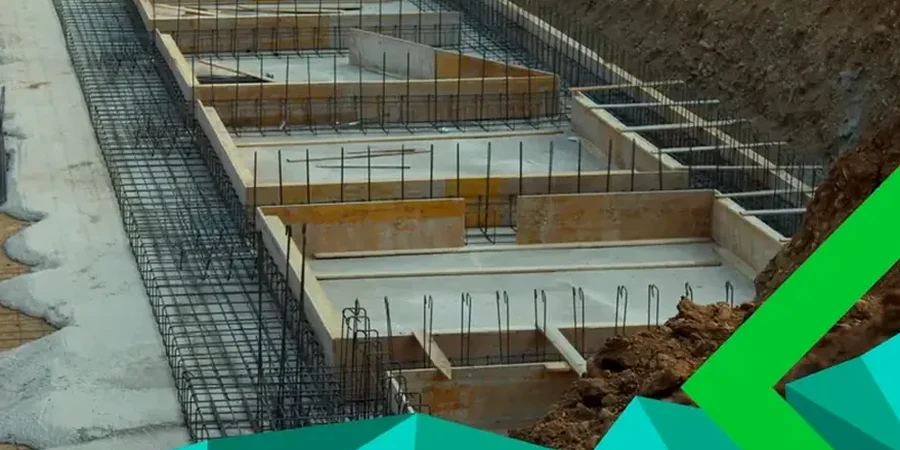
In Fort Lauderdale, a city defined by its intricate network of canals, coastal proximity, and subtropical climate, the integrity of any structure begins below the surface. The category of Foundations encompasses the critical engineering discipline of designing and constructing the base upon which buildings, bridges, and infrastructure rest. It is not merely about placing concrete in the ground; it involves a sophisticated understanding of soil-structure interaction to safely transfer loads from the superstructure to the bearing strata. Given the region's unique environmental challenges, including high water tables, potential for storm surge, and variable soil conditions, a properly designed foundation is the single most important factor in ensuring the longevity, safety, and insurability of any project.
The local geology of Fort Lauderdale presents a complex profile that directly dictates foundation selection and design. The near-surface soils are predominantly composed of organic silts, loose sands, and layers of peat, which are highly compressible and offer poor load-bearing capacity. Beneath this, the Anastasia Formation, a cemented coquina limestone of varying density, is often encountered, which can present its own challenges such as solution cavities and unpredictable pinnacling. This stratigraphy means that conventional shallow footings are often unsuitable for anything beyond lightweight, single-story structures. The high water table, often just a few feet below grade, introduces significant hydrostatic pressure and complicates excavation, making deep foundations not just an option but a necessity for most substantial developments.
Foundation design and construction in Fort Lauderdale are stringently governed by the Florida Building Code (FBC), which incorporates the International Building Code (IBC) with state-specific amendments for high-velocity hurricane zones (HVHZ). Chapter 18 of the FBC, dedicated to Soils and Foundations, mandates thorough geotechnical investigations to determine site-specific parameters like soil bearing capacity, lateral earth pressures, and scour potential. For deep foundations, the code references standards from the American Society of Civil Engineers (ASCE) and the American Concrete Institute (ACI), including ACI 543 for concrete piles. Furthermore, environmental regulations from agencies such as the South Florida Water Management District (SFWMD) and local municipal codes strictly control dewatering, vibration limits, and the handling of potentially contaminated soils during foundation installation.
The necessity for specialized foundation solutions spans a broad spectrum of project types across the city. High-rise condominiums along the beachfront and downtown skyline uniformly rely on pile foundation design to bypass weak organic layers and bear on competent limestone or dense sand at depth. Critical infrastructure, such as the piers and seawalls protecting our intricate waterway system, requires foundations engineered for both axial capacity and lateral resistance against wave and impact forces. Even single-family waterfront homes, particularly those undergoing elevation to meet FEMA floodplain requirements, frequently require deep foundation systems like helical piles or timber piles to resist uplift and scour, ensuring they remain anchored during extreme weather events.
Key indicators include sticking doors or windows, visible cracks in drywall or stucco that follow a stair-step pattern in masonry, sloping or uneven floors, and separation of exterior trim from the building. In coastal environments, additional signs can be rust staining from corroding rebar within concrete piles, or the settlement of pool decks and patios relative to the main structure, often indicating soil consolidation or erosion.
The high water table creates significant hydrostatic pressure and complicates deep excavations, making shallow foundations risky due to buoyancy and soil softening. This often necessitates deep foundations, such as driven piles or drilled shafts, which can be installed without extensive dewatering. It also requires careful consideration of waterproofing, the use of sulfate-resistant cement to combat chemical attack, and permanent dewatering or drainage systems to manage water around the foundation.
The process begins with a comprehensive geotechnical investigation, taking 2-4 weeks for drilling and lab testing. The foundation design and permitting phase, which requires approval from the local building department, typically spans 4-8 weeks. The installation itself can range from 2 to 6 weeks for a standard commercial building or custom home, depending on the number, type, and depth of piles, followed by load testing to verify capacity before structural construction commences.
Yes, the Florida Building Code's High-Velocity Hurricane Zone provisions require foundations to resist extreme lateral and uplift forces. This includes specific reinforcement detailing, deeper embedment for shallow footings to resist scour, and stringent connection requirements between the foundation and the superstructure. For deep foundations, the code mandates corrosion protection for steel elements and rigorous load testing protocols to ensure performance during the cyclic loading of a major storm event.
We serve projects across Fort Lauderdale and surrounding areas.