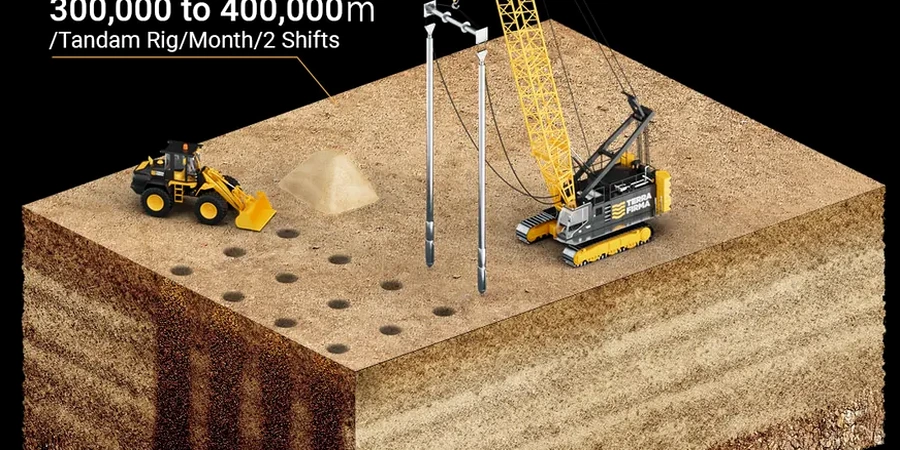
We recently wrapped up a densification job near the New River where a six-story mixed-use building was planned on loose, saturated sand. The site investigation showed N-values below 8 in the upper 20 feet. Fort Lauderdale's geology, dominated by Pleistocene and Holocene marine sands, makes this a common scenario. Standard footing support was out of the question without ground improvement. Our team designed a vibrocompaction grid tailored to the site's seismic demands under ASCE 7-22 and local IBC amendments. The goal was to push relative density above 70% to mitigate settlement and liquefaction potential. In this part of South Florida, getting the vibrator probe depth right from the start defines the whole project schedule.
In Fort Lauderdale, designing vibrocompaction without accounting for the water table is like planning a basement without a sump pump—it will fail.